| |
| Tuesday, 03 November 2026 |
| COOL MARBLE! THE ESSENTIAL GUIDE TO GREEK SCULPTURE |
| Rupert Willoughby |
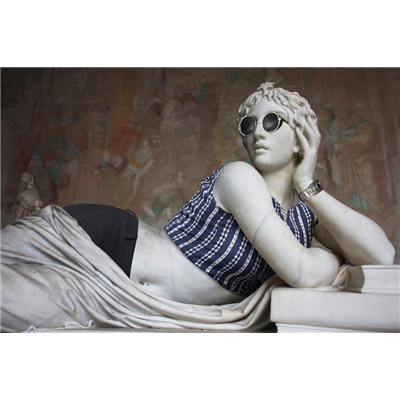 |
The Ancient Greeks invented the human portrait and their sculpture formed the basis of European art. Arguably, it has never been bettered. They produced statues of such beauty and realism that men are said to have fallen in love with them. A Classical scholar and teacher, Rupert elucidates some of their finest artistic expressions, including the controversial Parthenon or ‘Elgin’ marbles (the story of which is recounted in detail) and the Venus de Milo, celebrated survivor of a craze for ‘naked Aphrodites’. Here is a chance to meet the Ancient Greeks in the raw. Contains nudity! |
|
| Tuesday, 01 December 2026 |
| THE ART OF STATE CEREMONIAL MUSIC |
| Dr Graham Jones |
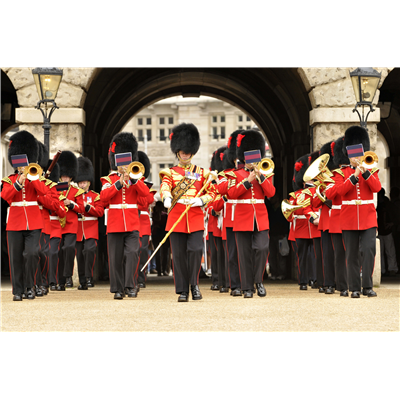 |
The UK provides some of the biggest Ceremonial Events in the world and arguably the best in the world but why is that? How do the military prepare for major events such as State Opening of Parliament, State Visits, National day of Remembrance, Royal Weddings or even a State Funeral? |
|
| Tuesday, 05 January 2027 |
| A PHOTOGRAPHIC ODYSSEY - SHACKLETON'S ENDURANCE EXPEDITION |
| Mark Cottle |
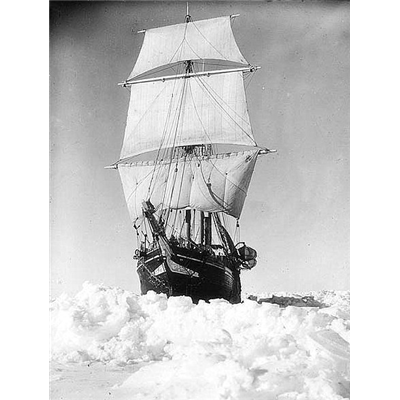 |
On Ernest Shackleton’s third Antarctic expedition in 1914, his ship, the Endurance, was trapped and eventually crushed in the pack ice. After camping for five months on the ice, Shackleton’s men rowed to the remote Elephant Island. From there, Shackleton sailed for help to South Georgia over 800 miles away. Over three months later he returned to rescue the crew of the Endurance. Frank Hurley, one of the great photographers of the 20th century, was the expedition’s official photographer. His photographs are a visual narrative of an epic journey which capture with great artistry new and amazing landscapes within which a remarkable human drama is played out. |
|
| Tuesday, 02 February 2027 |
| TAPESTRY: THE ULTIMATE WALL DECORATION |
| Susan Kay-Williams |
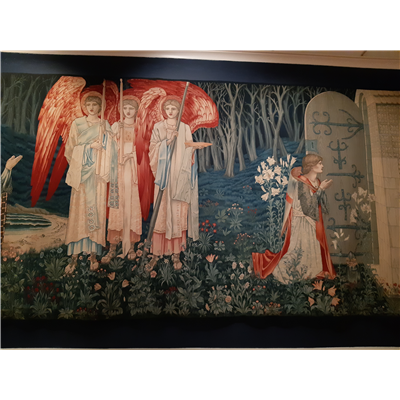 |
Tapestries were the most expensive wall decorations in the Middle Ages and beyond. Often commissioned in sets, taking years to produce, they graced some of the most significant courts of Europe from the 15th century to the 21st. This lecture will explore the making of tapestries and some landmark sets including those of the House of Burgundy, Pope Leo X and Henry VIII all made by the weavers of Flanders and those of Louis XIV and the current Queen of Denmark made by the weavers of the Gobelins factory in Paris. It will explore the changing approaches and some of the stories that form the basis of the most famous tapestry sets. |
|